


Every brand has a story, whether it’s carefully crafted or accidentally formed. Long before a customer reads your “About” page or compares prices, they encounter your visuals. In that first moment, perception is created. Sometimes it’s subtle. Sometimes it’s decisive. And most of the time, it starts with a logo.
In an era where brands compete for attention across websites, apps, and social platforms, visual identity has become more important than ever. People scroll quickly, judge instantly, and remember selectively. A logo doesn’t need to explain everything—but it does need to feel right. When it does, it creates familiarity. When it doesn’t, trust erodes before a conversation even begins.
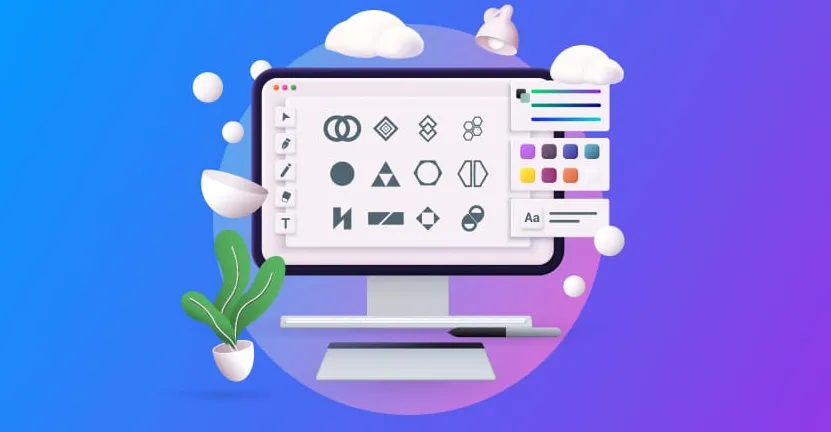
That’s why many modern businesses turn to smart tools like the AI logo generator to explore professional-looking designs without starting from scratch. These tools help translate ideas into visuals faster, especially for founders and teams who need to move quickly without compromising quality.
The Role of a Logo in Modern Branding
A logo is not just a decorative element. It’s a signal. It communicates tone, values, and intent in a matter of seconds. Whether you’re running an online store, launching a tech startup, or building a personal brand, your logo becomes shorthand for your identity.
Think about how often people encounter your logo without context—on social media, in a browser tab, or on a shared document. In those moments, the logo alone carries the weight of recognition. That’s why clarity matters more than complexity.
The strongest logos are often the simplest. They scale well, adapt easily, and remain recognizable even when stripped down to black and white.
Why Businesses Struggle With Logo Creation
Many businesses delay logo creation because it feels intimidating. Hiring a designer can be expensive. Designing one yourself can feel risky if you don’t have design experience. As a result, brands either rush the process or overthink it to the point of paralysis.
Common challenges include:
- Not knowing where to start
- Fear of choosing the “wrong” style
- Trying to appeal to everyone
- Overloading the design with meaning
The truth is, a logo doesn’t need to say everything. It needs to say something clearly.
How Good Logo Design Supports Growth
A well-designed logo creates consistency. Consistency builds recognition. Recognition builds trust. And trust drives growth.
When your logo aligns with your brand message, it makes marketing easier. Your social posts look cohesive. Your website feels intentional. Your emails appear professional. Over time, people begin to recognize your brand even before reading your name.
This recognition is especially valuable in competitive markets, where small visual differences can influence decisions.
Practical Logo Design Principles That Actually Work
If you’re thinking about refining or creating a logo, keep these principles in mind:
Simplicity Wins
Simple logos are easier to remember and more flexible across platforms.
Balance Over Trends
Trends come and go. A balanced design ages better and avoids quick obsolescence.
Color With Purpose
Choose colors that align with your brand personality, not just what looks good today.
Scalability Matters
Your logo should work just as well on a mobile screen as on a billboard.
Consistency Is Key
Once you choose a logo, use it consistently across all touchpoints.
Real-World Branding Example
Consider a small online business launching a new product. Without a clear logo, their website feels unfinished. Their social posts lack cohesion. Ads don’t stand out.
Now imagine the same business with a clean, recognizable logo. Their content feels unified. Their brand looks intentional. Customers feel more confident clicking “buy.” The product hasn’t changed—but perception has.
That’s the power of branding done right.
Branding Is a Process, Not a One-Time Task
Your logo doesn’t need to be perfect on day one. What matters is starting with clarity and improving with intention. Many successful brands refine their logos over time while keeping the core identity intact.
The goal isn’t perfection—it’s alignment. When your visuals align with your values and message, branding becomes an asset instead of an obstacle.
Conclusion: Start With a Strong Visual Foundation
In a digital-first world, your logo is often your introduction. It sets expectations before a word is read. Investing time and thought into that symbol pays dividends across every channel your brand touches.