


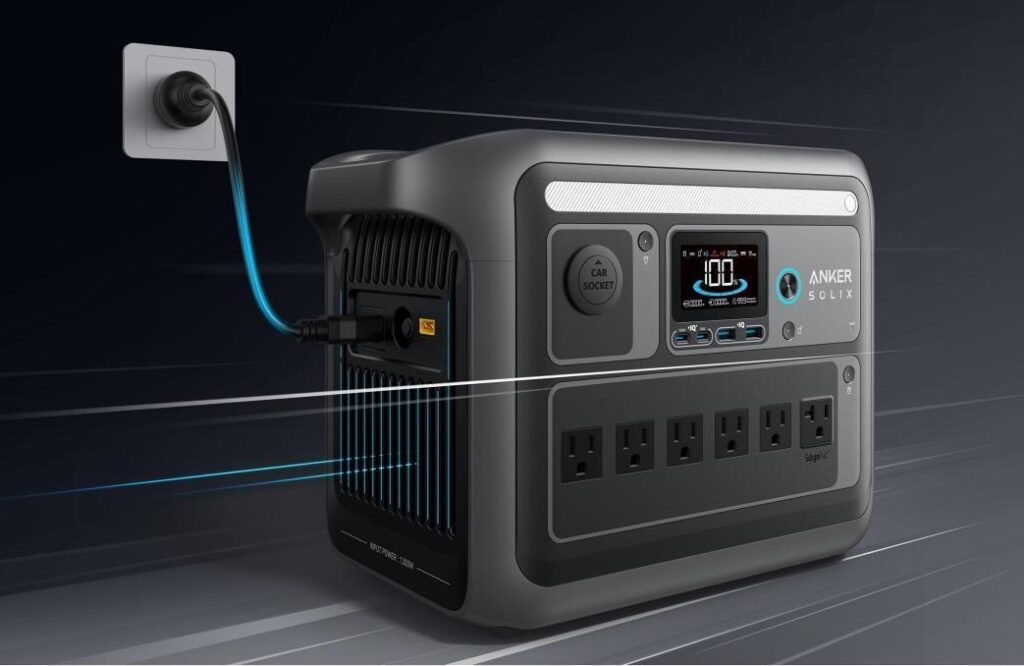
Portability sounds simple, but real-world use quickly proves that “portable” can mean very different things. A portable solar power generator that looks compact may feel heavy once carried over a distance. A lightweight model may fall short when powering essential devices. True portability results from a combination of weight, shape, charging flexibility, handle placement, and how easily solar panels integrate into the setup. Users also judge portability by how fast the system resets and recharges during a trip. The Anker SOLIX C1000 Solar Generator + 200W Solar Panel illustrates how portability extends far beyond lifting a device; it includes rapid solar recharging, adaptable capacity options, and app control that enhances convenience rather than complicating it.
What Defines True Portability Beyond Size and Weight?
Handling Design That Works in Real Environments
Portability begins with whether a person can comfortably carry and reposition the generator, especially across uneven surfaces. Weight matters, but form factor matters more. A well-balanced device allows users to lift, tilt, and set it down without strain, even if the generator is not the lightest in its class. The C1000’s compact structure fits into car trunks, camper shelves, or tent corners without requiring excessive rearranging. Users appreciate when a generator stays stable on rough ground and feels secure when transported short distances. Practical portability means the unit supports movement without causing fatigue or awkward handling.
Charging Flexibility That Reduces Downtime
A solar generator is only as portable as its ability to regain power while away from outlets. Systems that recharge quickly or accept multiple charging sources allow users to stay mobile instead of waiting for hours. The C1000’s ability to reach 80% capacity in about 43 minutes through AC and achieve full solar recharging in roughly 1.8 hours transforms portability from a physical feature into a functional one. Fast solar input means the generator works around the user’s schedule rather than the other way around. The more adaptable the charging options, the more practical the device becomes for camping, work sites, or emergency travel.
Power Output That Matches Real Needs Without Overloading Users
Portability also depends on whether the generator can handle a variety of household and outdoor essentials. A lightweight system that fails to support key devices—like fridges, tools, or heating gear—loses practicality. A unit like the C1000 offers power for 99% of typical appliances through 11 ports, allowing users to carry only one device instead of multiple backup units. True portability minimizes the need for extra equipment. When one generator replaces several, users save weight, space, and complexity, making the system easier to manage during travel or off-grid activities.
How Accessories, Solar Panels, and App Control Influence Portability?
Solar Panels That Set Up Quickly in Any Location
Solar portability does not end with the generator. The accompanying panels must unfold easily, angle toward the sun, and pack down efficiently. A smooth hinge mechanism and stable feet make outdoor placement simple, whether users camp on soil, rock, or sand. The 200W panel paired with the C1000 balances surface area with mobility so users can reposition it quickly as sunlight shifts. A panel that takes too long to assemble can undermine the overall experience. Faster setup means more time generating power and less time adjusting equipment.
Smart App Features That Reduce Physical Work
Digital convenience contributes significantly to real portability. Instead of walking back and forth to check charge levels or manage output, users can monitor everything through the Anker app. This reduces unnecessary movement and helps users optimize power usage before the generator ever runs low. Features like scheduling, real-time load tracking, and adjustable recharge speed turn the device into a manageable system rather than a piece of gear that constantly demands attention. When digital control eliminates manual steps, portability improves without altering the physical hardware.
Expandable Capacity Without Sacrificing Mobility
Sometimes portability means carrying only what is needed today, with the option to expand later. A system like the C1000, which supports an additional 1,056Wh expansion battery, allows users to tailor their capacity without permanently increasing weight. They can stay light for short trips or build a larger setup for extended stays. This modular approach keeps portability flexible rather than fixed. A truly portable solar power generator should adapt to different scenarios instead of locking users into one configuration.
Conclusion
Portability is not determined by a single dimension but by how a solar generator performs across physical handling, charging flexibility, panel convenience, and real-world energy demands. A system becomes truly portable when users can move it easily, set it up quickly, recharge it efficiently, and rely on it to power essential devices without backup equipment. The Anker SOLIX C1000 Solar Generator + 200W Solar Panel demonstrates how fast charging, intelligent app control, adaptable capacity, and thoughtful design turn portability into a practical everyday benefit. For users seeking mobility without compromise, these combined features define what a modern portable solar power generator should deliver.