


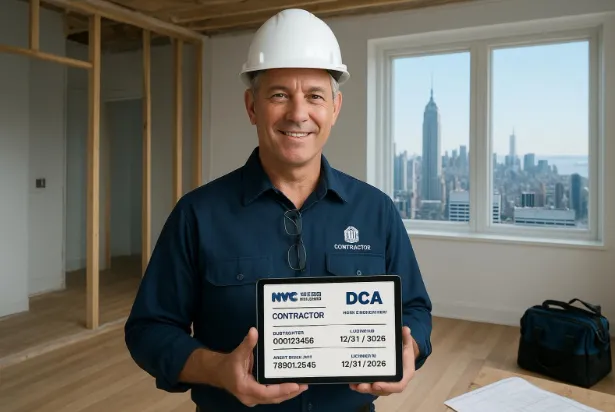
Hiring a local NYC contractor comes with its own mix of benefits and drawbacks. On the positive side, these contractors know the city’s detailed building codes, permit rules, and the specific rules of co-op and condo boards.
On the downside, you may face higher prices because of the competitive market and limited availability of the best firms during busy renovation periods. Your final choice depends on whether you prefer strong local knowledge and smoother handling of city “red tape” over potentially lower bids from non-local or national companies.
Starting a renovation in any of the five boroughs is rarely simple. Whether you are gut-renovating a pre-war apartment in Brooklyn or updating a modern penthouse in Manhattan, the outcome depends heavily on the main professional leading the job.
A qualified New York construction company brings more than basic tools; they bring a local game plan that accounts for everything from tight stairwells to strict Department of Buildings (DOB) rules.
What Does It Mean to Hire a Local NYC Contractor?
What Qualifies as a Local Contractor in New York City?
A local contractor in New York City is defined by more than a street address. These are individuals or firms with a real base in the city and a project history focused on homes and businesses in the five boroughs.
Unlike national firms that may use the same method in every city, a local NYC contractor understands issues like finding parking in Midtown or following “wet space” rules in a 1920s brownstone.
Local contractors can be solo operators handling everything from sales to installation, mid-sized firms with 10-20 workers, or larger outfits with 50 or more staff. They earn their “local” status through years of working with the city’s infrastructure and building a network among local trades. They know exactly which tile setter to call for a tricky bathroom or which electrician to use for older buildings.
NYC Contractor Licensing and Accreditation Requirements
In New York, the rules are constant. A local contractor must hold the proper licenses to work legally. The Department of Buildings (DOB) issues general contractor licenses, which usually require at least seven years of industry experience, including time in supervisory roles.
The Department of Consumer Affairs (DCA) issues Home Improvement Contractor (HIC) licenses, required for anyone doing remodeling or renovation work in homes.
Beyond basic licenses, reputable local contractors are usually bonded and carry strong liability and workers’ compensation insurance. This matters a lot in NYC, where a single accident can create large legal and financial problems for a homeowner.
Licensed pros must also complete continuing education every two years to keep their licenses active, so they stay current on safety standards and rules about hazards like lead paint and asbestos.
Top Advantages of Hiring a Local NYC Contractor
Familiarity with NYC Building Codes, Permits, and Regulations
One of the biggest challenges in any NYC project is dealing with building codes and permits. A local contractor works with these rules every day. They know the difference between a basic work permit and the plumbing or electrical permits needed for a full gut job. Because they know DOB procedures, they can often see problems coming and prevent fines or stop-work orders.
Local pros can often move the permit process along more quickly. This expertise is particularly vital for exterior projects where compliance is strict; for instance, Nova Construction Services leverages deep local knowledge to ensure that every repair and restoration meets rigorous city standards.
They know what forms and drawings the Landmarks Preservation Commission expects if your home is in a historic district, which covers nearly 20% of Manhattan. Planning ahead in this way helps avoid the delays that often hit out-of-town contractors who understand only national standards and are surprised by NYC’s specific rules.
Established Relationships with Local Suppliers and Subcontractors
Experienced local contractors have spent years building a network of reliable suppliers and subcontractors. With today’s material delays and labor shortages, those relationships matter a lot. Subcontractors such as plumbers and electricians are more likely to move a job up the list for a contractor they have worked with for years than for a big national company they may never see again.
These long-term connections can also help with price and quality. Local contractors can often get better prices on things like natural stone, tile, or lumber, and they know which tradespeople deliver careful work on high-end finishes. This local network helps make sure the people coming into your home are trusted and consistent.

On-Site Availability and Direct Communication
Being nearby makes it easier to stay accountable. When your contractor’s office is only a short subway ride or drive away, in-person meetings are simple. Regular site visits and planning meetings are more likely to happen. If you have a concern about a crooked tile or a paint color, a local contractor can usually stop by quickly to review it.
Clear communication is key to any successful renovation. Local general contractors are used to explaining city-specific construction issues in plain language. This openness builds trust and lowers stress for homeowners, which is especially helpful in a crowded, high-pressure city like New York.
Rapid Response to Project Needs or Unexpected Issues
Surprises are normal in construction. From a burst pipe in an older building to heavy rain that damages a temporary roof, problems can appear without warning. A local contractor can get to the site quickly because they are already in the area, without dealing with flights or long drives. This quick response can keep small issues from turning into major setbacks.
This speed also helps during day-to-day work. If a tool breaks or a fixture arrives damaged, a local team knows where to get a replacement the same day. They understand how to time deliveries in NYC, where there is often no storage space and materials must arrive just when they are needed.
Money Spent Supports the Local NYC Economy
Choosing a local firm helps the city’s economy. Studies show that about six times more money stays in the local area when you hire a local contractor instead of a national company. That money supports local jobs, contributes to city tax revenue, and often goes back into neighborhood charities and community programs.
By hiring someone local, you are also investing in your own neighborhood. Local contractors care about the five boroughs because they live and work there. This personal link to the area often leads to a stronger sense of responsibility and pride in the final result.
Better Handling of Co-op and Condo Board Approvals
For many New Yorkers, the co-op or condo board controls what can and cannot be done in their apartment. These boards have strict alteration agreements that cover everything from allowed materials to work hours. A local contractor often has past experience with your building or similar buildings and understands how these boards operate.
They can help prepare drawings and documents that meet the building architect’s standards and can form a working relationship with the building superintendent. Knowing rules about plumbing stacks, noise limits, and neighbor notices helps avoid conflicts or delays with building management.
Experience with NYC’s Unique Challenges (Space, Noise, Infrastructure)
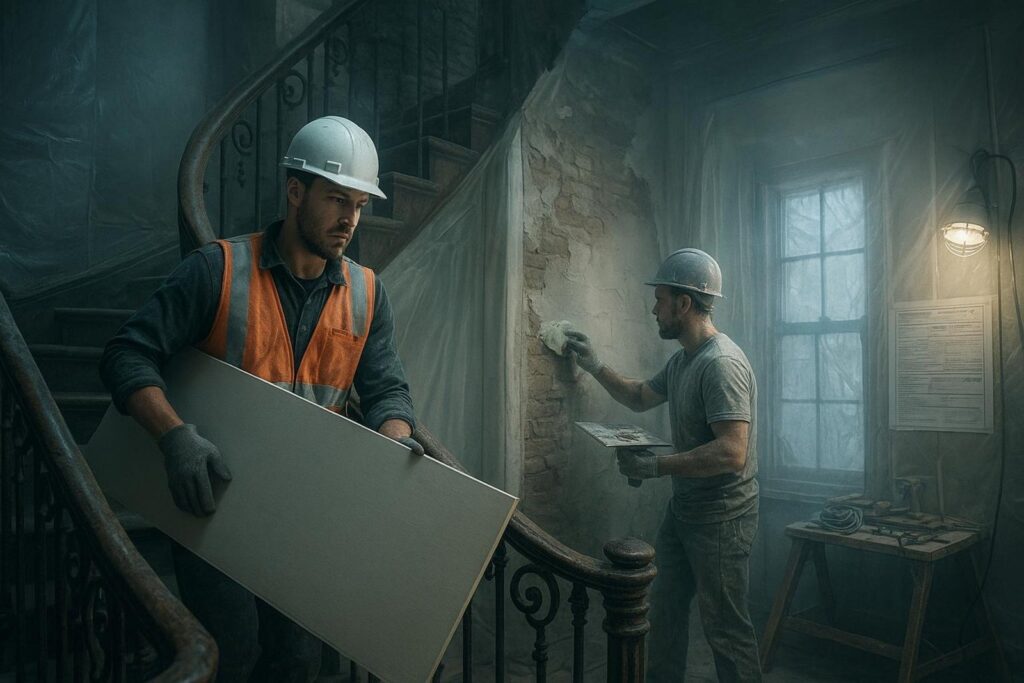
Construction in NYC comes with special challenges. A local contractor knows how to remodel in a space where the elevator cannot fit a full sheet of drywall and the street is too narrow for a large dumpster. They find practical ways to move materials and handle debris without causing problems with the building or the city.
They also know how to deal with older building systems. From smoothing out uneven pre-war walls to upgrading old electrical panels that only provide 100 amps, local contractors are used to working with aging buildings. They expect to find things like lead paint or asbestos and have the proper training and contacts to address them safely.
Primary Disadvantages of Hiring a Local NYC Contractor
Potentially Higher Costs in a Competitive Market
Working with a nearby, skilled contractor often costs more. Doing business in NYC means high insurance costs, expensive office or shop space, and the need for experienced labor. These costs are reflected in local contractor pricing. While a national company may buy materials in bulk and offer lower prices on some items, a local firm’s quote will reflect New York conditions.
Homeowners often find that kitchen and bathroom projects are especially pricey, often starting around $300 to $400 per square foot. A lower bid from an out-of-town contractor might be tempting, but that price may not include travel, lodging, and delays from not knowing NYC rules and procedures.
Limited Options Due to High Demand and Busy Schedules
The best local contractors are often booked many months ahead. In a city where renovation work is constant, finding a highly rated contractor who can start right away can be difficult. High demand can sometimes lead to firmer stances on price and scheduling.
Because local contractors usually manage several jobs in the same general area, their calendars can be tight. If one job is delayed due to late deliveries or permit issues, it can push back other projects too. Homeowners often need patience and flexibility to work with a top local firm.
Possible Lack of Specialization for Unique or High-End Projects
Most local contractors are generalists. For highly unusual or cutting-edge projects, you may need very specific skills that only a few firms have. If you want a rare construction technique or a system based on a foreign technology, a standard local general contractor may not have that background.
In those situations, the local pool of options may feel small. Many established NYC firms handle this by teaming up with specialist consultants, architects, or niche subcontractors, combining local knowledge with very specific technical skills.
Variability in Quality and Reliability among Local Contractors
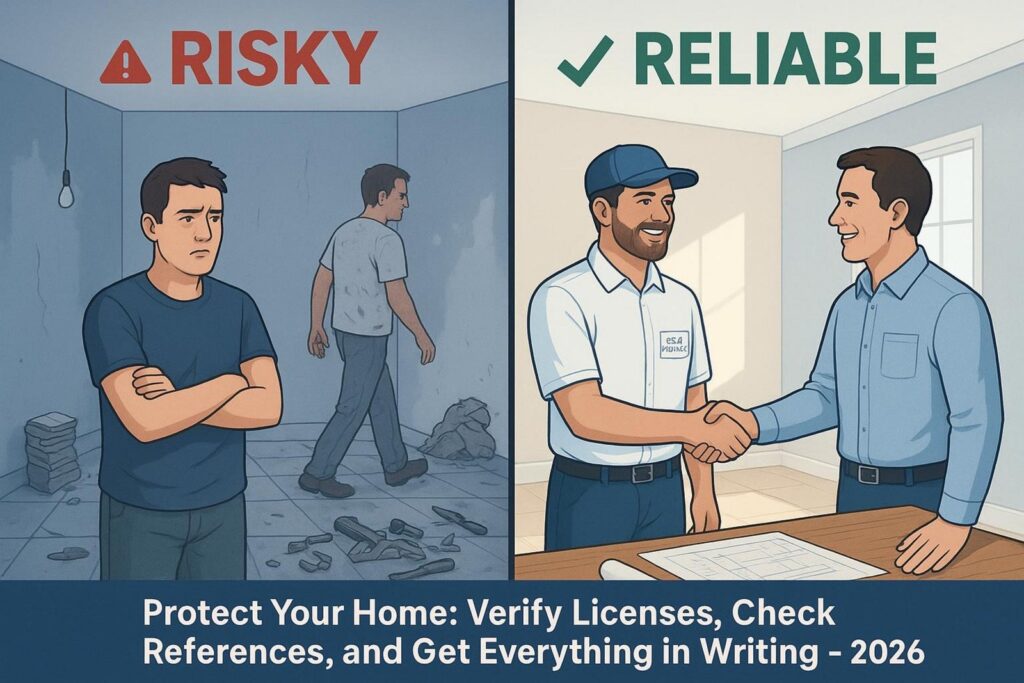
The term “contractor” covers a wide range of skill and professionalism. For each well-known, award-winning firm, there are many people who present themselves as full general contractors but operate more like handymen. Sorting through this can be tiring. Homeowners must carefully check references, confirm licenses on the DOB website, and read reviews to find real professionals.
Solo contractors, while often less expensive, bring the risk that the project stops completely if that one person gets sick or runs into money problems. Larger firms usually provide more stability and backup, but often charge higher rates. Homeowners need to balance budget with risk and reliability.
Key NYC-Specific Challenges When Working with Contractors
Handling Complicated Permit and Approval Processes
In Manhattan and Brooklyn, permits are a major step, not just a bit of paperwork. From standard work permits to asbestos inspections that can cost up to $1,000, every stage needs detailed documents. A local contractor must coordinate with architects and engineers so that plans meet code before they are sent to the DOB.
The Landmarks Preservation Commission adds extra steps for properties in historic districts. Any change to the outside and sometimes the interior of these buildings may need a “Certificate of Appropriateness.” Trying to deal with this process without a local expert often leads to long waits and frustration.
Managing Space Constraints in Dense Urban Environments
Logistics in NYC are tough. Running a renovation in a 700-square-foot apartment takes a level of planning you do not usually need in the suburbs. Materials must arrive in smaller loads, and debris has to be removed regularly so workers can move around. Local contractors are skilled at this kind of tight-space planning and keep projects moving even in very small areas.
They also know the rules for service elevators and how to protect common areas. Failing to cover a hallway floor or protect a lobby can lead to instant fines or complaints from the building board, adding cost and tension to the project.
Addressing Noise Regulations and Community Relations
In NYC, neighbors may be just a few inches away behind a wall. The city has strict hours for construction noise-usually 7 am to 6 pm on weekdays-but many co-ops add stricter limits, such as allowing loud work only between 10 am and 4 pm. A good local contractor plans around these rules and often gives written notices to neighbors and talks directly with building staff.
Managing neighbor expectations matters. A contractor who ignores noise limits or leaves dust and debris in shared areas can create lasting tension for you in your own building. Local contractors know that their standing in a building can help or hurt them on future jobs, so they tend to protect that reputation.
Working Around Aging and Varied Infrastructure
NYC’s charm often means older buildings and outdated systems. Many pre-war properties have old pipes close to failure or weak electrical systems that cannot support today’s appliances. A local contractor used to modernizing these buildings will check these issues early, before walls are closed.
They also expect to find hazardous materials. Lead paint and asbestos were used widely for years. A local contractor usually has established relationships with testing labs and abatement companies, helping keep your home safe and the project in line with environmental rules.
Frequently Asked Questions about Local NYC Contractors
Is it Necessary to Hire a Licensed Contractor in NYC?
Yes. In NYC, any work involving structure, plumbing, or electrical systems must be done by someone with the proper license. Most co-op and condo boards will not allow an unlicensed contractor to work in the building at all. Beyond following the law, hiring a licensed contractor helps protect your property because they are held to clear standards and must carry proper insurance.
Hiring an unlicensed person to save money can easily backfire. If the work is done wrong, you may have no legal way to recover your losses, and the city may require you to remove the work and redo it at your own cost. Always confirm licenses on the DOB or DCA website before you sign any contract.
How is a Local Contractor Different from a National or Regional Firm?
The main difference is flexibility versus a one-size-fits-all approach. National firms often focus on certain building types and repeat the same methods to keep their margins steady. They may offer slightly lower prices at first because of bulk buying, but they often lack the on-the-ground knowledge needed for NYC’s unique rules and building conditions.
Local contractors have to be adaptable. They work on everything from lofts to brownstones and are used to the wide range of designs and layouts New Yorkers request. They usually offer more personal, face-to-face service and care deeply about local referrals. In New York, word of mouth influences future work, so local contractors are strongly motivated to do a good job.
When finalizing your renovation plans, think about the long-term relationship you want. A local contractor is not just a vendor; they are a neighbor who understands how this city operates. While their initial bid may be higher, reduced stress, proper handling of local codes, and support for the local economy often make them the better choice for NYC projects. Make sure your contract clearly lists the scope of work, payment schedule, and timeline so your vision of a New York City home has the best chance of becoming real.